
📅 Posted: August 21, 2026
|
🔄 Updated: August 21, 2026
|
⏱️ Reading Time: 07.00 Min Read
When Partners Have Different Sex Drives And Healthy Ways To Stay Connected
Few things create more silent tension in a relationship than wanting sex at completely different frequencies. One partner is ready to go every night. The other is perfectly content with once a week, maybe less. This is exactly what happens when partners have different sex drives, and many couples struggle to talk about it openly. Instead, resentment builds quietly in the background like mould behind drywall. I have seen this pattern play out in countless forum threads, product review conversations, and DMs from readers asking how toys might help bridge the gap. Spoiler: toys can help, but they are not the whole fix.
The tricky part is that both people usually feel like the problem. The person who wants more sex feels undesirable. The person who wants less feels broken or guilty. That double guilt spiral can poison everything else in the relationship, from how you split chores to how you talk at dinner. The good news? Mismatched libidos are incredibly normal, and most couples deal with them at some point. The bad news? Ignoring the mismatch never makes it go away on its own.
Table Of Contents For When Partners Have Different Sex Drives
- Why One Partner Wants More And The Other Pulls Back
- Hidden Emotional And Physical Triggers That Widen The Gap
- Patterns And Habits That Make A Libido Mismatch Worse
- Practical Ways To Meet In The Middle Without Keeping Score
- Knowing When The Mismatch Needs Outside Support
- FAQs About When Partners Have Different Sex Drives
Expert Advice For Couples Navigating Different Sex Drives
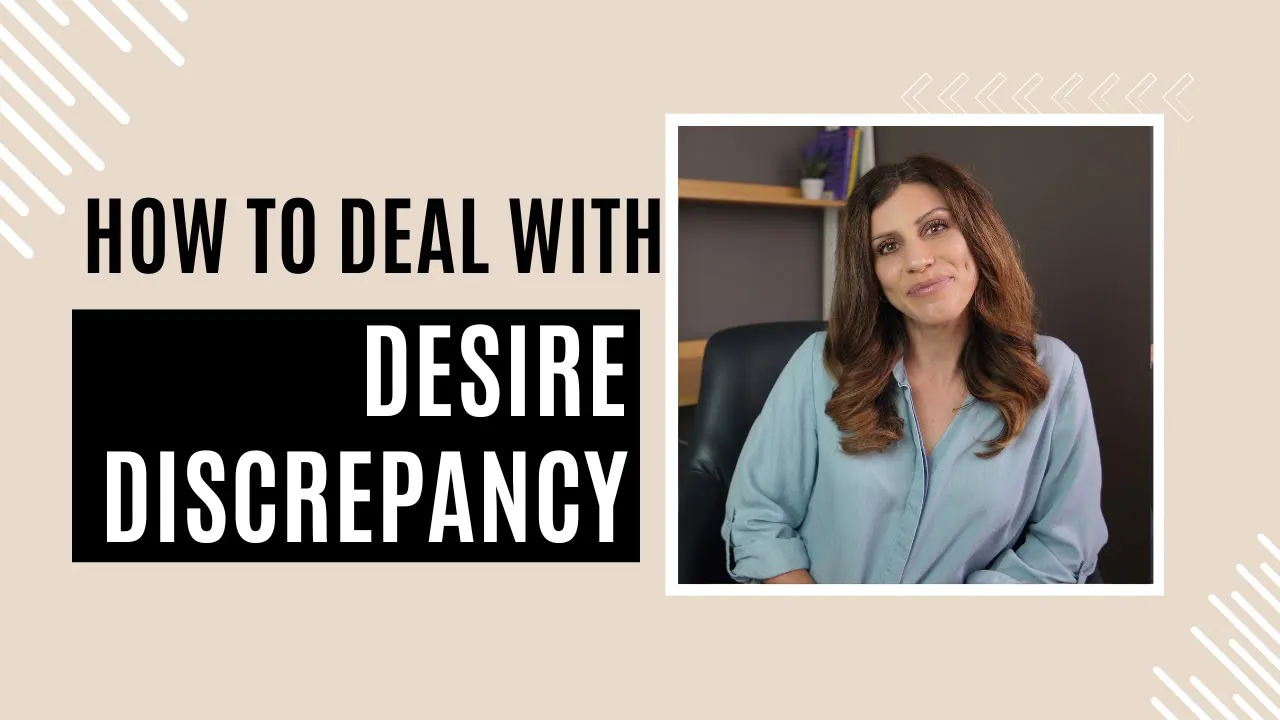
This video explains why couples experience different levels of sexual desire and shares practical ways to reduce pressure, improve communication, and rebuild intimacy together. It complements the advice in this article by offering professional insights that can help partners create a healthier balance when partners have different sex drives.
Why One Partner Wants More And The Other Pulls Back
Sexual desire isn’t a fixed setting on a dial. It fluctuates based on dozens of factors, from sleep quality to how your last argument ended. Some people experience spontaneous desire, meaning arousal shows up unprompted. Others experience responsive desire, where arousal only kicks in after physical or emotional stimulation begins. Most couples contain one of each type. That alone explains a massive chunk of the “why don’t you want me” fights. The difference between emotional connection and physical attraction plays a big role here too, because one partner might need emotional warmth before desire even registers.
Hormones also play a huge part. Testosterone levels affect libido in all genders. Those levels shift with age, stress, medication, and sleep. A partner on antidepressants might genuinely want intimacy but feel nothing below the waist. A partner going through a high-stress work period might redirect all their energy toward survival mode. None of this means love has faded. It means bodies respond to context.
Then there is the novelty factor. Long-term relationships naturally lose some of that frantic, can’t-keep-hands-off-each-other energy. That’s biology, not failure. The brain’s dopamine response to a familiar partner simply works differently than it does during the honeymoon phase. It’s common to notice these changes when partners have different sex drives because desire naturally evolves over time instead of staying fixed. Expecting year-eight desire to feel like month-three desire sets both people up for disappointment.
Hidden Emotional And Physical Triggers That Widen The Gap
Many couples assume a difference in sex drive starts in the bedroom, but it often begins much earlier. Ongoing arguments, feeling unappreciated, daily stress, or a lack of emotional closeness can slowly reduce interest in intimacy. When one partner feels disconnected or under pressure, desire naturally becomes harder to maintain. Building stronger emotional closeness through simple daily habits and finding ways to reconnect with your partner intimately can help many couples feel closer again before focusing on sex itself.
Physical factors can play an equally important role. Changes in body confidence, poor sleep, medication, hormone fluctuations, chronic health conditions, and ongoing fatigue may all affect libido. These challenges do not automatically reflect someone’s attraction to their partner. If lower desire continues for an extended period without a clear reason, speaking with a healthcare professional may help identify factors that are easy to overlook.
Patterns And Habits That Make A Libido Mismatch Worse
A difference in sex drive often grows because of repeated relationship patterns rather than desire alone. One partner may keep initiating while the other keeps pulling away, creating frustration for both people. Pressure, disappointment, and silence can slowly replace closeness. Couples dealing with a consistently high sex drive sometimes fall into this cycle without noticing how it affects the other person’s comfort and willingness to engage.
Small everyday habits also shape intimacy. Constant criticism, treating sex like a task, or only showing affection when expecting intimacy can make a partner feel emotionally distant. Regular hugs, compliments, shared laughter, and physical affection without expectations help rebuild trust and create a stronger foundation for a healthier sex life.
Relationship Habits Worth Breaking
Practical Ways To Meet In The Middle Without Keeping Score
Improving intimacy starts with honest conversations, not blame. Talk about your needs during a relaxed moment instead of after another rejection or argument. Focus on finding solutions together rather than proving who is right. Many couples experiencing mismatched libidos find that regular conversations reduce tension and make both partners feel more understood.
Flexibility also makes a difference. Every intimate moment does not need to follow the same routine, and every expression of affection does not need to lead to sex. Respecting each other’s comfort levels while remaining open to compromise helps couples create a healthier balance. The goal is to build connection that feels enjoyable for both partners instead of creating pressure or expectations.
Listen First
Give your partner time to explain their feelings without interrupting or preparing a response.
Share Expectations
Discuss what intimacy means to each of you so assumptions don’t create unnecessary conflict.
Create Couple Time
Protect regular time together without work, phones, or everyday distractions taking over.
Review Progress
Check in every few weeks and celebrate improvements instead of focusing only on setbacks.
Knowing When The Mismatch Needs Outside Support
Some relationship challenges need more than patience and good intentions. If honest conversations keep ending in frustration or nothing seems to improve after several months, professional support can offer a fresh perspective. A qualified couples therapist or sex therapist can help both partners understand the patterns that are keeping them stuck instead of repeating the same conversations.
Physical health is worth checking too. Hormone changes, medication, poor sleep, chronic pain, and other medical conditions can all affect desire. When partners have different sex drives, looking at both emotional and physical factors often leads to more balanced and lasting solutions than focusing on only one side of the problem.
I used to think every relationship problem could be solved with one more conversation over dinner. Then I realised some talks simply go around in circles like a shopping trolley with one dodgy wheel. My partner finally joked that we needed a referee instead of another debate, and she wasn’t wrong. Getting outside support isn’t admitting failure. It’s giving your relationship another chance with someone who can spot things you’ve both stopped noticing.
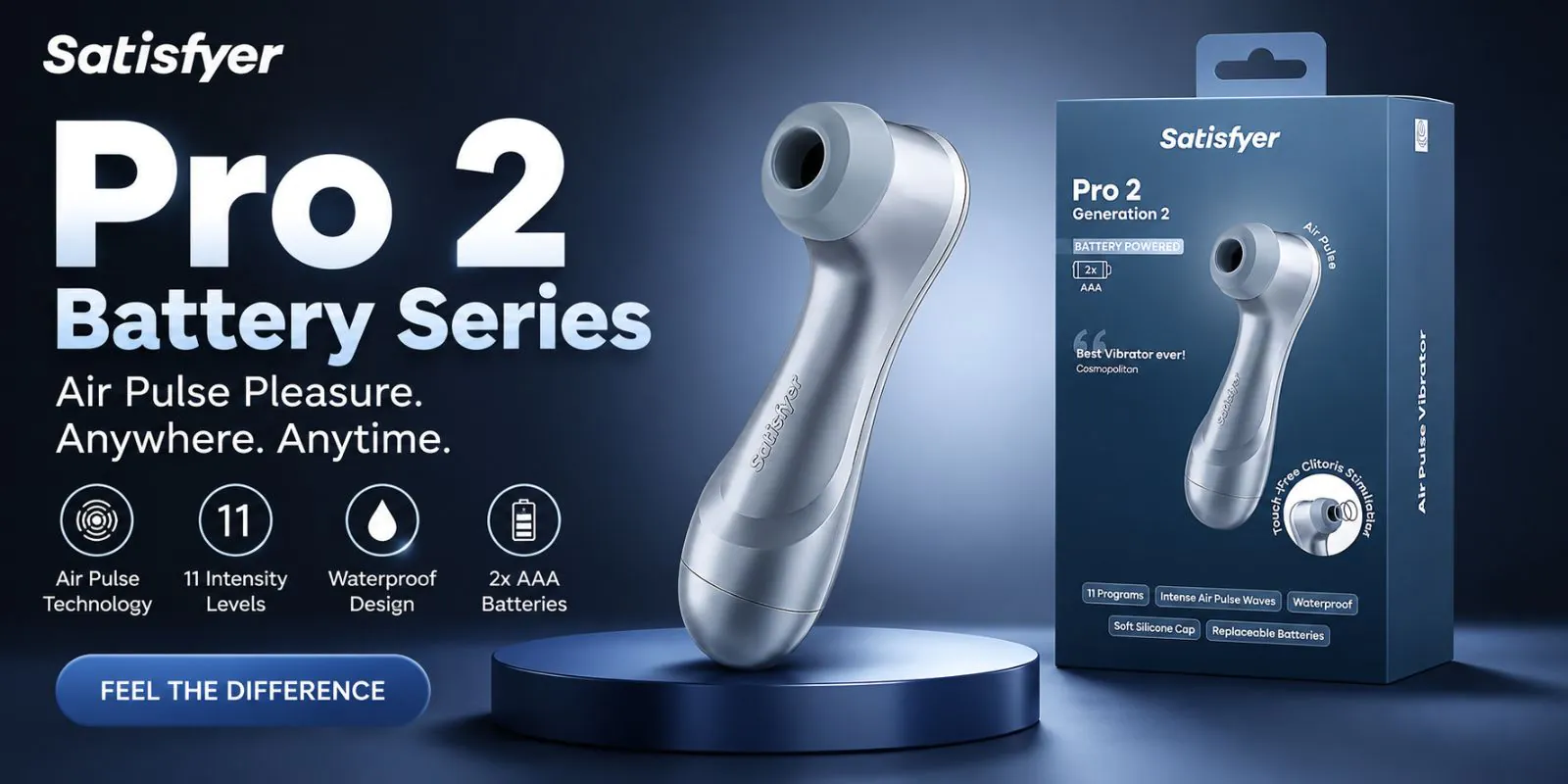
Support Intimacy Together With The Pro 2 Battery Series By Satisfyer
Every couple connects in different ways, especially as life, stress, and routines affect intimacy over time. The Pro 2 Battery Series by Satisfyer provides a simple way to enjoy pleasure without added pressure. It can be especially helpful when partners have different sex drives, giving couples another way to stay physically connected while respecting each other’s pace and comfort.
FAQs About When Partners Have Different Sex Drives
Can different sex drives become more balanced over time?
Many couples find a better balance after improving communication, reducing stress, and making intimacy a shared priority. Small changes often create steady progress instead of overnight results.
How can I bring up different sex drives without causing an argument?
Choose a relaxed moment outside the bedroom and focus on your own feelings instead of blaming your partner. Honest conversations usually feel more productive when both people feel heard.
Does having a lower sex drive mean attraction has disappeared?
Lower desire can be linked to stress, health, fatigue, or emotional pressure rather than reduced attraction. Looking at the bigger picture often provides a clearer answer.
Should couples plan intimate time when their sex drives differ?
Setting aside dedicated time helps many couples reconnect without waiting for perfect timing. Planned intimacy can reduce pressure while creating more opportunities for closeness.
When should couples consider professional support for different sex drives?
Professional support may help if ongoing frustration, conflict, or emotional distance continues despite open communication and consistent effort from both partners.