📅 Posted: August 21, 2026
|
🔄 Updated: August 21, 2026
|
⏱️ Reading Time: 5.00 Min Read
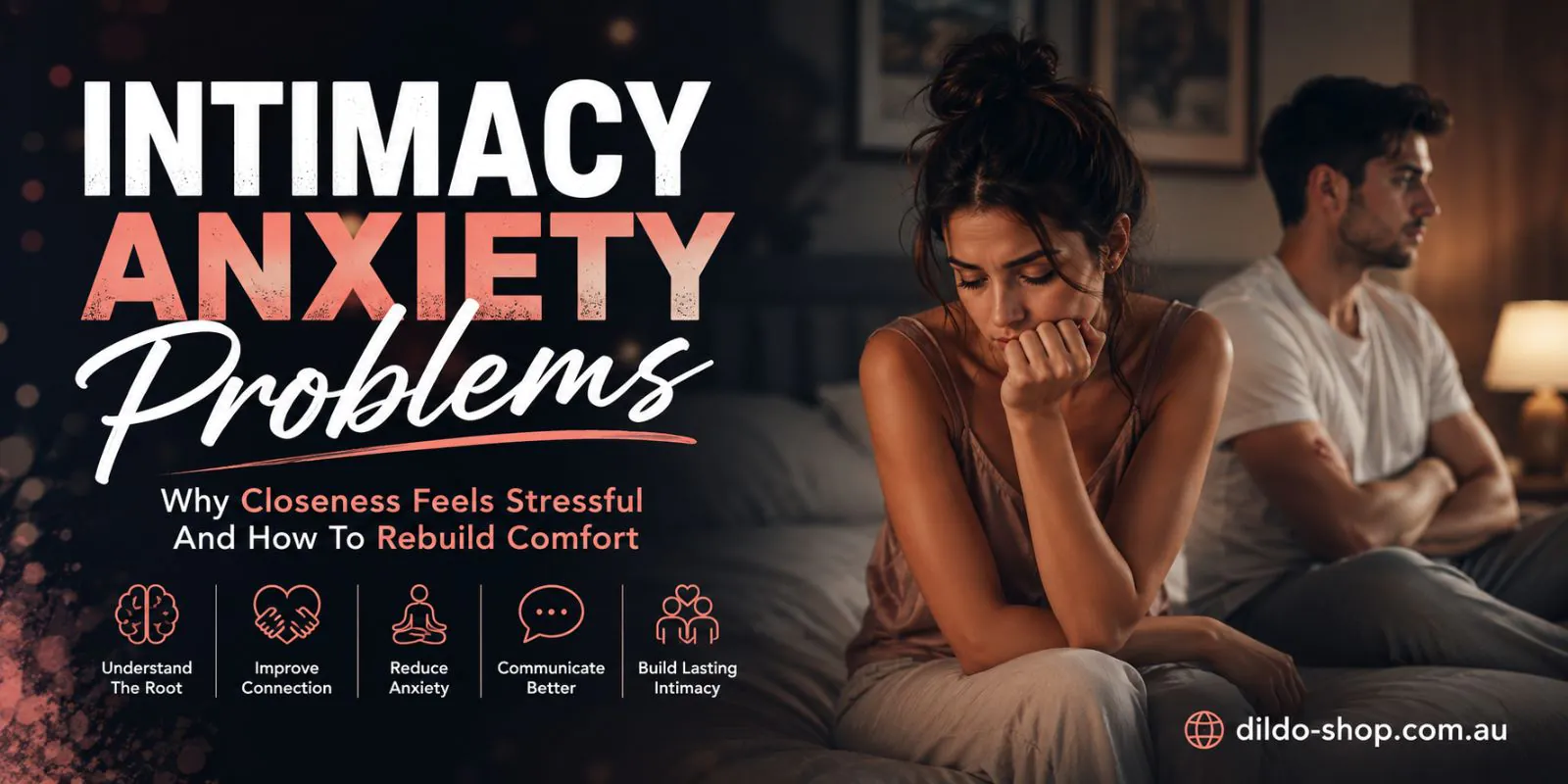
Intimacy anxiety is a persistent fear of emotional or physical closeness, often causing individuals to sabotage relationships or create emotional distance despite longing for connection. Symptoms include fear of rejection, low self-esteem, and avoidance of vulnerability. It is frequently rooted in childhood trauma, attachment issues, or fear of judgment.
Intimacy Anxiety Problems: Why Closeness Starts Feeling Stressful And How To Rebuild Comfort
Intimacy anxiety can affect relationships even when attraction, trust, and emotional connection still exist. Some people begin avoiding physical closeness, struggle to stay mentally present during intimacy, or feel uncomfortable opening up emotionally. Others become overwhelmed by pressure, fear, disappointing their partner, or start overthinking every physical reaction during intimate moments.
In many cases, intimacy anxiety develops slowly through stress, negative experiences, insecurity, emotional tension, exhaustion, or communication problems within a relationship. Once intimacy starts feeling like something that must be performed perfectly, the body often responds with nervousness, tension, and mental pressure instead of comfort and connection.
Table Of Contents For Intimacy Anxiety Problems
Watch: Understanding Intimacy Anxiety Problems And Practical Ways To Overcome Them
This video explains why intimacy anxiety problems develop, how fear of closeness can affect relationships, and practical ways to build trust and emotional security. It connects with this intimacy anxiety problems article by showing how better communication, self-awareness, and gradual confidence can help create healthier and more comfortable intimate relationships.
What Intimacy Anxiety Problems Can Feel Like In Real Relationships
Intimacy anxiety is more than simple nervousness before sex or emotional closeness. It usually feels like a constant mental pressure that interrupts comfort, focus, and connection during vulnerable moments. Some people become trapped in overthinking, while others start avoiding intimacy altogether because their body begins associating closeness with stress instead of relaxation.
In physical situations, intimacy anxiety may show up through erection problems, difficulty staying mentally present, loss of arousal, reduced desire, or trouble relaxing during touch. Emotional intimacy can also become difficult when someone fears rejection, judgment, embarrassment, or emotional exposure. Even healthy relationships can slowly develop tension when anxiety stays unspoken for too long.
Pressure around performance often becomes a major trigger for men dealing with intimacy anxiety. Some start exploring options like men’s sexual health supplements once stress begins affecting stamina, confidence, and overall comfort during intimacy.
I went through a period where intimacy started feeling stressful the moment things became physical because my mind stayed focused on performance, erections, stamina, and not disappointing my partner. Instead of enjoying the moment naturally, I kept analysing every reaction in my body, which made it harder to stay relaxed and mentally present. The pressure slowly affected my confidence and made intimacy feel more tense than comfortable until I stopped treating every intimate moment like something that had to go perfectly.
Common Causes Behind Intimacy Anxiety Problems
Intimacy anxiety usually builds slowly through stress, insecurity, emotional pressure, and negative experiences that start affecting comfort during physical or emotional closeness. Some people begin overthinking performance after one difficult sexual experience, while others struggle with exhaustion, low confidence, communication problems, or fear of judgment in their relationships. Long-term stress can also affect libido, energy, and physical confidence, which is why some men begin focusing more on recovery, lifestyle balance, and ways to improve sperm health as part of improving overall sexual wellness and confidence.
1. Performance Pressure
Constantly monitoring erections, arousal, or sexual performance can make the body tense during intimacy instead of relaxed and responsive.
2. Stress And Exhaustion
Poor sleep, mental overload, burnout, and daily stress can lower libido and make emotional or physical connections feel mentally draining.
3. Relationship Communication Problems
Avoiding conversations about insecurity, frustration, or unmet needs often creates more tension and misunderstanding between partners over time.
4. Low Physical Confidence
Body image concerns, sexual insecurities, or worries about fertility and stamina can increase self-consciousness during intimate moments.
5. Past Negative Experiences
Rejection, embarrassment, painful encounters, or emotionally distant relationships can shape how safe and comfortable intimacy feels later on.
Practical Ways To Reduce Intimacy Anxiety And Rebuild Confidence
Reducing intimacy anxiety usually becomes easier when the focus shifts away from performance and back toward comfort, connection, and emotional safety. Trying to force perfect intimacy often increases stress because the mind stays locked on results instead of staying present in the moment. Slowing things down, improving communication, managing stress levels, and rebuilding confidence gradually can help intimacy feel less mentally overwhelming over time. Many people also find it helpful to better understand how stress affects arousal, confidence, and physical response through resources like an overview of sexual performance anxiety.
Practical Ways To Reduce Intimacy Anxiety Problems
Small Daily Habits That Make Intimacy Feel Easier Over Time
Many people try to solve intimacy anxiety problems only when they are already in the bedroom, but confidence often starts long before intimacy begins. Feeling emotionally connected throughout the day, sharing small conversations, laughing together, showing affection, and making time for each other can gradually reduce the pressure that builds around physical closeness. These simple habits create a stronger sense of trust and make intimacy feel like a natural extension of the relationship instead of a stressful event.
One thing that made a surprising difference for my husband and me was taking intimacy off the schedule for a while. Instead of worrying about whether sex would happen, we focused on enjoying time together through cuddling, cooking dinner, watching movies, and talking without distractions. As the pressure disappeared, my anxiety slowly eased, and physical closeness started feeling exciting again instead of something I overthought. That experience taught me that rebuilding comfort often starts outside the bedroom.
Simple Habits That Help Build Lasting Intimacy
Spend Time Together
Create moments that strengthen your relationship without focusing on sex.
Laugh More Often
Shared humour can reduce tension and make emotional closeness feel easier.
Show Everyday Affection
Small hugs, kisses, or holding hands help maintain emotional connection.
Celebrate Small Progress
Recognise improvements instead of expecting every intimate moment to be perfect.
Reduce Performance Pressure And Stay More Relaxed During Intimacy
Performance anxiety and overstimulation can make intimacy feel mentally exhausting instead of comfortable and enjoyable. Products like the Hot Production SHIATSU Delay Spray For Men are often used by men looking to slow down sensitivity, improve control, and reduce some of the pressure that builds during intimate moments.

FAQs About Intimacy Anxiety Problems
Why does intimacy anxiety get worse after one bad sexual experience?
A negative experience can make the brain start monitoring future intimate moments too closely. Fear of repeating embarrassment or disappointment often increases tension during the next encounter, which can create a repeating anxiety cycle.
Why does anxiety sometimes cause erection problems?
Anxiety activates stress responses inside the body that can interrupt relaxation and blood flow during arousal. When someone becomes mentally focused on performance, the body often struggles to stay naturally responsive.
Can intimacy anxiety happen in long-term relationships?
Long-term couples can experience intimacy anxiety from stress, routine, emotional distance, unresolved tension, physical insecurity, or repeated negative experiences that slowly affect comfort during intimacy.
Why does overthinking during sex reduce arousal?
Constant self-monitoring pulls attention away from physical sensation and emotional connection. The mind stays focused on control, performance, or fear instead of allowing the body to respond naturally.
How long does rebuilding intimacy confidence usually take?
Confidence often improves gradually as pressure decreases and positive experiences start replacing stressful ones. Consistency, communication, and patience usually matter more than trying to force fast improvement.